Language:



Buying the wrong wire rope is expensive, and the cost rarely shows up on the purchase order. It appears six months later as a rope replacement, a crane downtime, a damaged sheave, an insurance claim, or an incident on a site where someone could have been hurt.
The problem is that most buyers approach wire rope selection by starting with price and working backwards. Start with the application instead, and the specification largely determines itself.
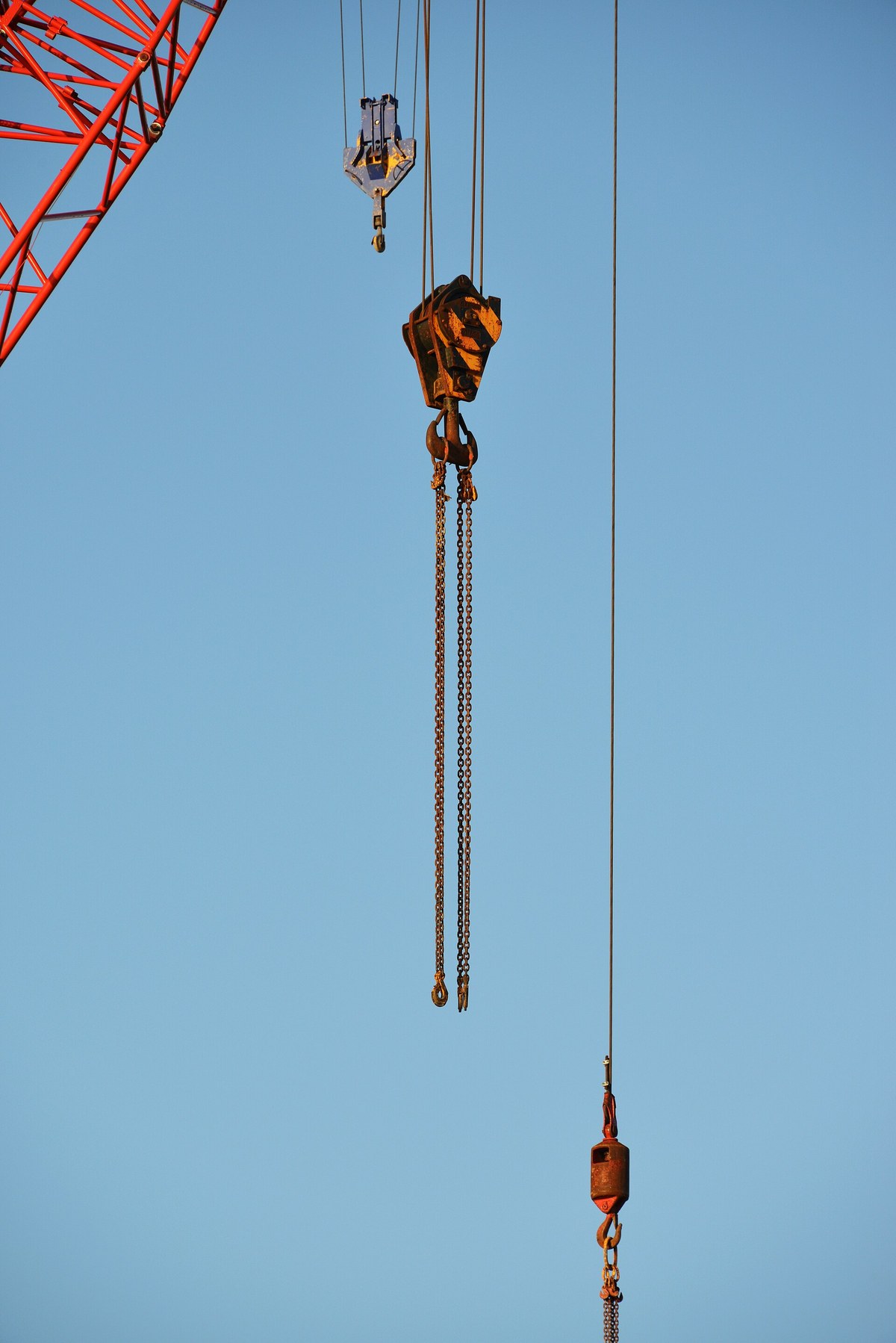
This guide walks through the decisions that matter — construction, core, grade, lay, surface condition, and diameter — and shows how to combine them into a rope that will perform reliably in your specific service. Aulone manufactures the full range of these options for cranes, hoists, mining equipment, port machinery, offshore installations, elevators, and general industry, so the examples throughout draw on what actually works in the field.
Before comparing constructions, you must be able to answer four questions honestly. These are the parameters that will determine everything else.
Not the load you lifted last month, and not the load on the drawing. The maximum working load is the heaviest load the machine is permitted to lift under its rated configuration, including the rigging gear and any dynamic amplification. Machines with more than one hoist rope fall, winches with a load that can be snatched rather than lifted gently, and equipment that handles a fluctuating load all need the higher figure.
This is the bending severity factor, and it is the single most neglected variable in rope selection. A rope that makes five bending cycles per day behaves completely differently from one that makes five hundred. Bending severity determines how many bending cycles the rope must survive, and therefore what construction will survive it.
Environment determines surface treatment and, in some cases, the core.
Most lifting is static or lightly dynamic. Some applications are genuinely dynamic — a crane that picks up a swinging load, a hoist that lowers a drill string, a winch that recovers a trawler. Shock loading, where a slack rope suddenly comes tight, is a different category entirely and calls for a rope with high resilience and a safety factor appropriate to the shock.
The core is the structural heart of the rope, and the choice has more effect on performance than any other single decision.
Fibre-core ropes are built around a core of natural or synthetic fibre. The fibre provides a small amount of elasticity and, crucially, acts as a lubricant reservoir and a cushion that absorbs the shock of a rope flexing over a sheave.
Advantages: higher flexibility, better fatigue resistance under repeated bending, slightly higher effective strength in a given diameter because more of the cross-section is steel, and a lower unit cost.
Disadvantages: lower resistance to crushing, a tendency to flatten under high tension or when spooled tightly, and lower resistance to shock loading.
Where fibre core is correct: tower cranes, small mobile cranes, hoist applications with high bending cycles, and any service where rope flexibility and fatigue life dominate the requirement.
In an IWRC rope, the strands wrap around a core that is itself a separately laid wire rope, compacted and usually slightly smaller in diameter than the strand groove.
Advantages: much greater resistance to crushing, excellent shape retention under load, higher load capacity for a given diameter, better resistance to shock, and maintained performance in long-line or multi-fall applications.
Disadvantages: slightly less flexible, marginally lower fatigue life in extreme bending service, and a higher unit cost.
Where IWRC is correct: heavy lifting cranes, container cranes, mining hoists, offshore and marine applications, winches, and any application involving long lines, high tension, or shock loading.
If you are unsure, IWRC is the safer default for lifting equipment. It tolerates the widest range of conditions, and the cost difference is usually recovered many times over in service life. Fibre core remains the better choice when bending cycle count is very high and the loads are modest.
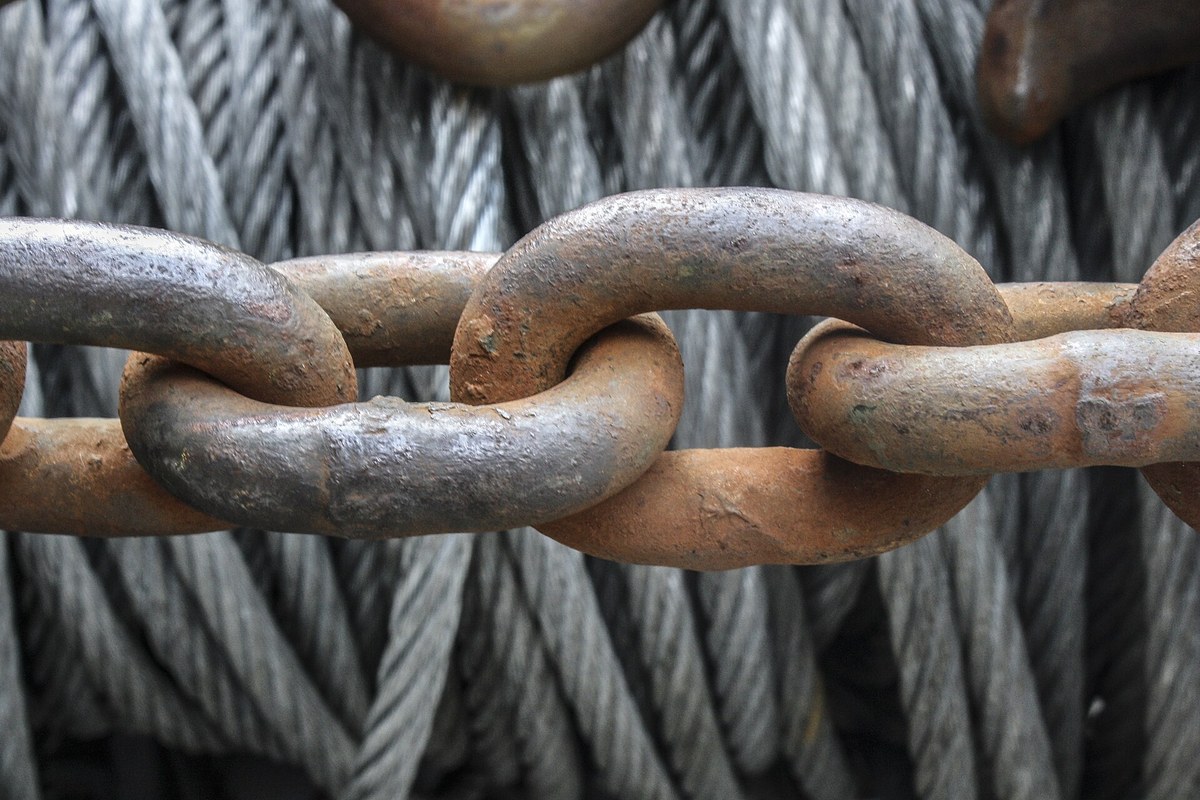
6×19 IWRC is the most widely used steel wire rope construction in the world, and for good reason. It has relatively few wires, each of substantial diameter, which means excellent resistance to abrasion and mechanical damage, and it is straightforward to inspect because the wires are visible and countable by eye.
Where you will find it: mobile and crawler cranes, tower cranes, container handling equipment, general lifting, and most winch applications. Choose 6×19 where the duty involves abrasion, frequent handling, and moderate bending.
6×19S increases flexibility by redistributing wires between the outer strands, making it a good middle-ground choice for cranes with smaller sheaves.
6×19W goes further in the same direction and is used where flexibility requirements are higher still.
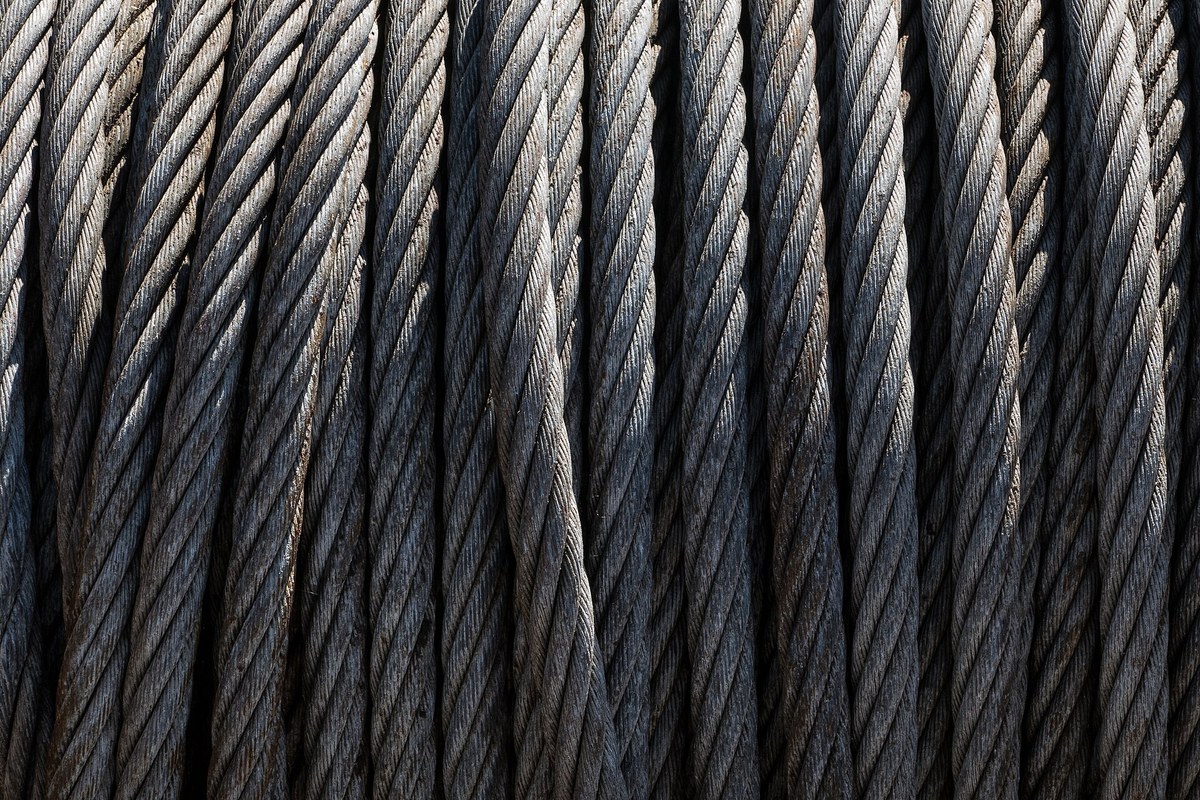
These constructions use more wires of smaller diameter within each strand. The smaller wires are more flexible, giving markedly better fatigue life in high-cycle bending service, and they wrap onto smaller sheaves with less stress concentration.
The trade-off is that finer wires are more vulnerable to abrasion and to mechanical damage, and the constructions are harder to inspect visually because broken wires are more numerous and finer.
Where you will find them: tower cranes, harbour cranes, and mobile cranes where the sheave-to-rope diameter ratio is small, high-cycle hoist applications, and elevator ropes.
35WXK7 and similar designs use a specific strand geometry that counteracts the tendency of a rope to untwist under load. This matters in several situations:
Above approximately 40 mm diameter, conventional stranded rope becomes impractically heavy. Spiral strand cables solve this by using fewer, larger, parallel-laid strands wound around a large core, giving very high breaking loads at manageable weight. They are used on heavy lift cranes, offshore lifting, and large capacity winches.
Where a rope must not rotate under load — for instance in a single-part hoist line or a floating crane — non-rotating constructions such as 35WXK7 or 6×35WS combine with the lay arrangement to minimise torque.
Higher grade means more breaking load for a given diameter. But strength is not a free upgrade — high-strength wire has lower ductility and can be more sensitive to damage and to overloading. A rope loaded to its breaking strength of a higher-grade wire stores more energy and releases it more violently when it fails.
The minimum breaking load (MBL) is the calculated load at which the rope breaks. Every working load must be a defined fraction of the MBL, and the safety factor is set by the application:
| Application | Typical Safety Factor |
|---|---|
| General lifting, single fall | 5:1 |
| Personnel lifting and mine hoisting | 8:1 to 10:1 |
| Tower crane hoisting | 5:1 to 7:1 |
| Crawler and mobile crane hoisting | 5:1 to 6:1 |
| Winch and haulage | 3:1 to 5:1 |
| Shock or dynamic loading | 5:1 to 8:1 |
The important discipline is to specify the rope by breaking load for the required safety factor, not simply by diameter. A buyer who specifies "20 mm rope" has specified almost nothing. A buyer who specifies "20 mm, 6×19 EIPS IWRC, minimum breaking load 190 kN, galvanised, right hand lay" has specified a rope that can be ordered, verified, and audited.
The standard finish for indoor, dry, and general industrial service. Bright rope has the highest corrosion resistance because there is no sacrificial coating to consume, retains lubricant effectively, and shows the true condition of the wire during inspection — which is a genuine safety advantage.

Zinc-coated for corrosion resistance. Galvanised rope extends service life dramatically in outdoor, coastal, and humid environments. Three rules matter:
For continuous salt spray, chemical, or hygienic exposure, stainless steel wire rope is the answer. It resists corrosion that would destroy galvanised rope within a fraction of the service life, and it survives handling in food, pharmaceutical, and offshore environments. Stainless is roughly 10 to 20% weaker than bright high-strength steel, so a slightly larger diameter is usually required.
Plastic-coated and plastic-impregnated ropes serve specific purposes: protecting the rope against corrosion, chemical attack, abrasion, and contamination in food processing, and providing a longer life in wet drilling environments. The coating also makes the rope easier to clean.
Right hand lay (RH) and left hand lay (LH) refer to the direction in which the strands spiral around the core. Regular lay — wires in adjacent strands running in opposite directions — gives good rotational stability and is the default for most lifting applications. Lang lay increases flexibility and abrasion resistance but introduces significantly higher rotating torque.
Torque control is not an academic question. A rope that rotates under load will untwist in a single-fall hoist, twist the drum contents in a winch, and in extreme cases unbalance a floating crane. Rotation-resistant constructions, non-rotating ropes, and correct lay selection for the application are the answers.
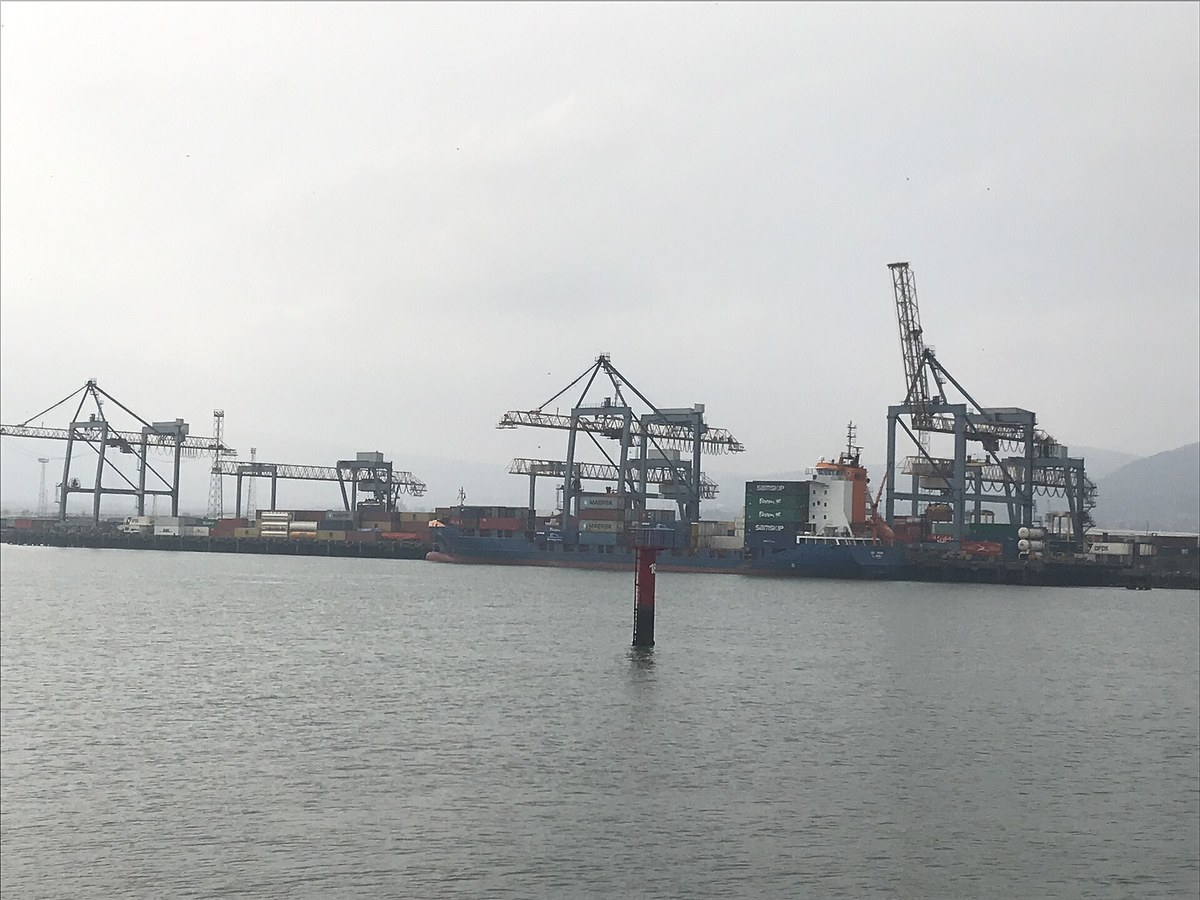
The most valuable thing a supplier can give you is not the rope. It is the documentation behind the rope and the willingness to stand behind it.
At Aulone, every steel wire rope order is supported by documentation that travels with the goods, and our technical team supports specification review, failure analysis, and installation advice for customers worldwide.
Before placing an order, confirm that you have answered each of these:
If any of these is unanswered at the point of ordering, the order will eventually produce a rope that is either under-specified or over-specified, and both cost money.
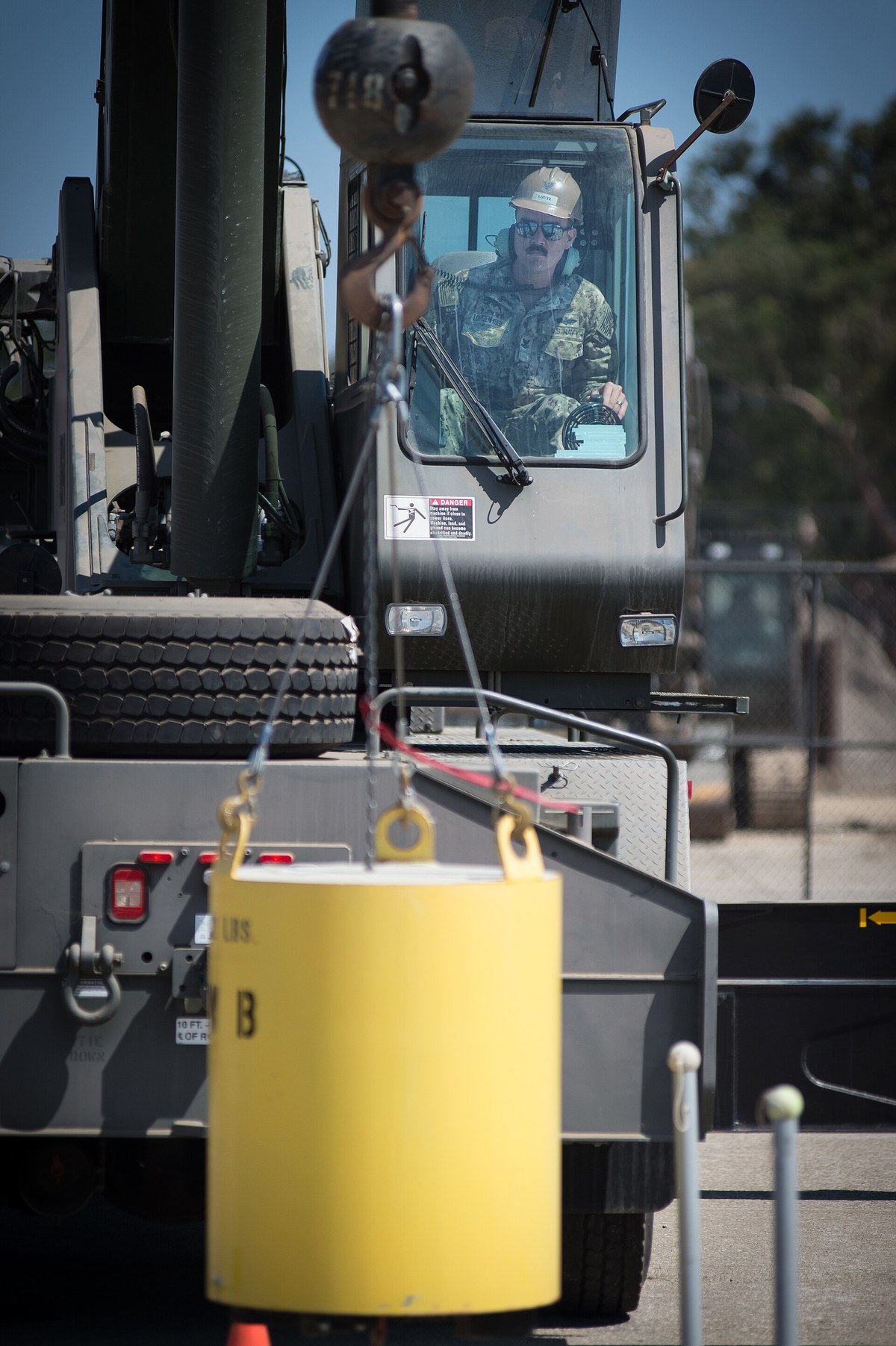
The right wire rope is the one that matches the load, the bending duty, the environment, and the rotation behaviour of your equipment — and that arrives with documentation proving what it is.
Get the specification right and the rope selection becomes a repeatable engineering decision rather than a negotiation. Get it wrong and the cost returns in sheaves, in rope, in downtime, and eventually in a report that nobody wants to write.
Whether you are specifying a single replacement rope for a workshop hoist or standardising a construction fleet across multiple sites, Aulone can supply the full range of constructions, grades, cores, and surface finishes, supported by the test certificates and technical support needed to close an audit.
About Aulone: Changsha Aulone Construction Machinery Co., Ltd. manufactures steel wire rope, wire rope slings, end fittings, locked coil ropes, spiral strand cables, and piling and drilling tools, supplying crane, mining, port, marine, offshore, elevator, and general industry customers worldwide from our factory in Liuyang, Hunan.
Some photographs in this article are sourced from Wikimedia Commons and are used under CC0, public domain or CC BY-SA licences. Copyright remains with the respective authors. Attribution details are listed below.
For detailed specifications and in-house product photography of Aulone wire rope, please contact our technical team.
Contact: AULONE
Phone: 86-15573139663
Tel: 86-0731-83165008
Email: info@aulone.com
Add: Address:Kaiyuan road 36,Chunkou,Liuyang, Hunan,China.
 AULONE